


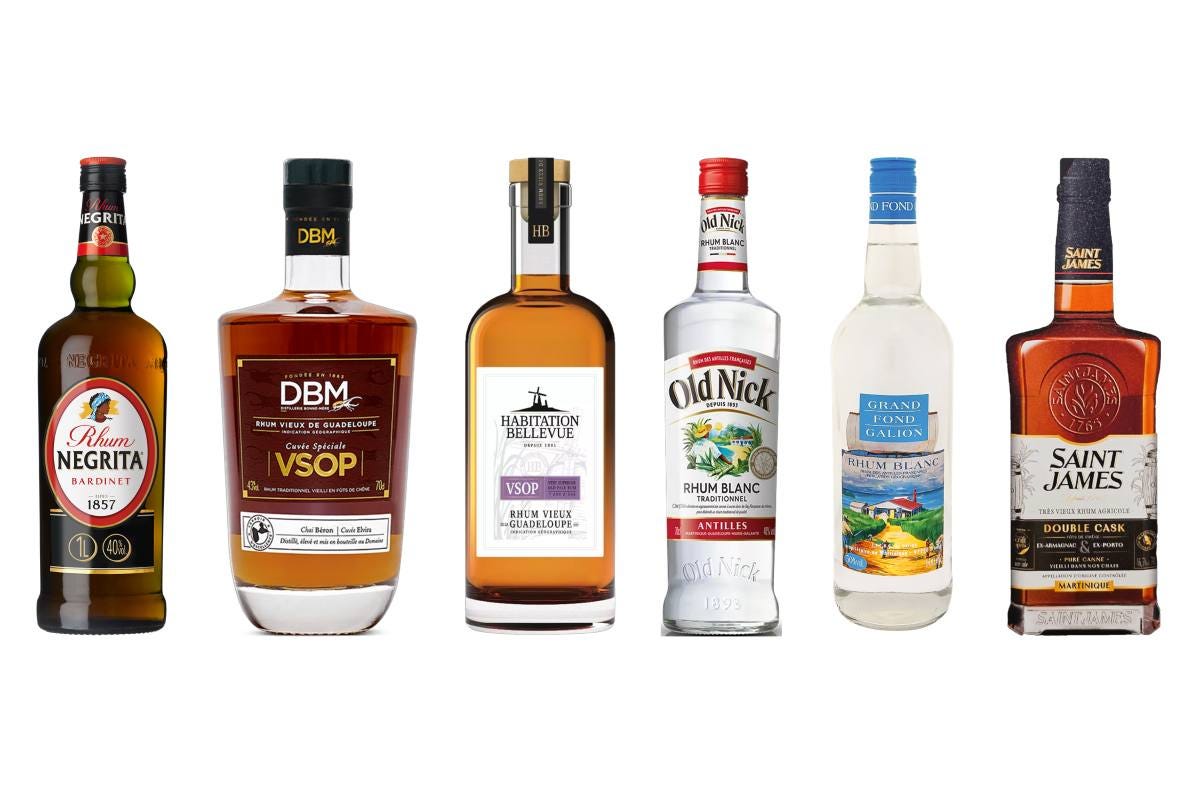
To deeply understand the rum world, you need to know the key players and how they’re interrelated. So, today we’re looking at France’s largest rum maker, a company whose name and scale are virtually unknown except to a few insiders. Some of their brands are marquee players in the enthusiast world, but, just like icebergs, only 10% of the story is above the waterline.
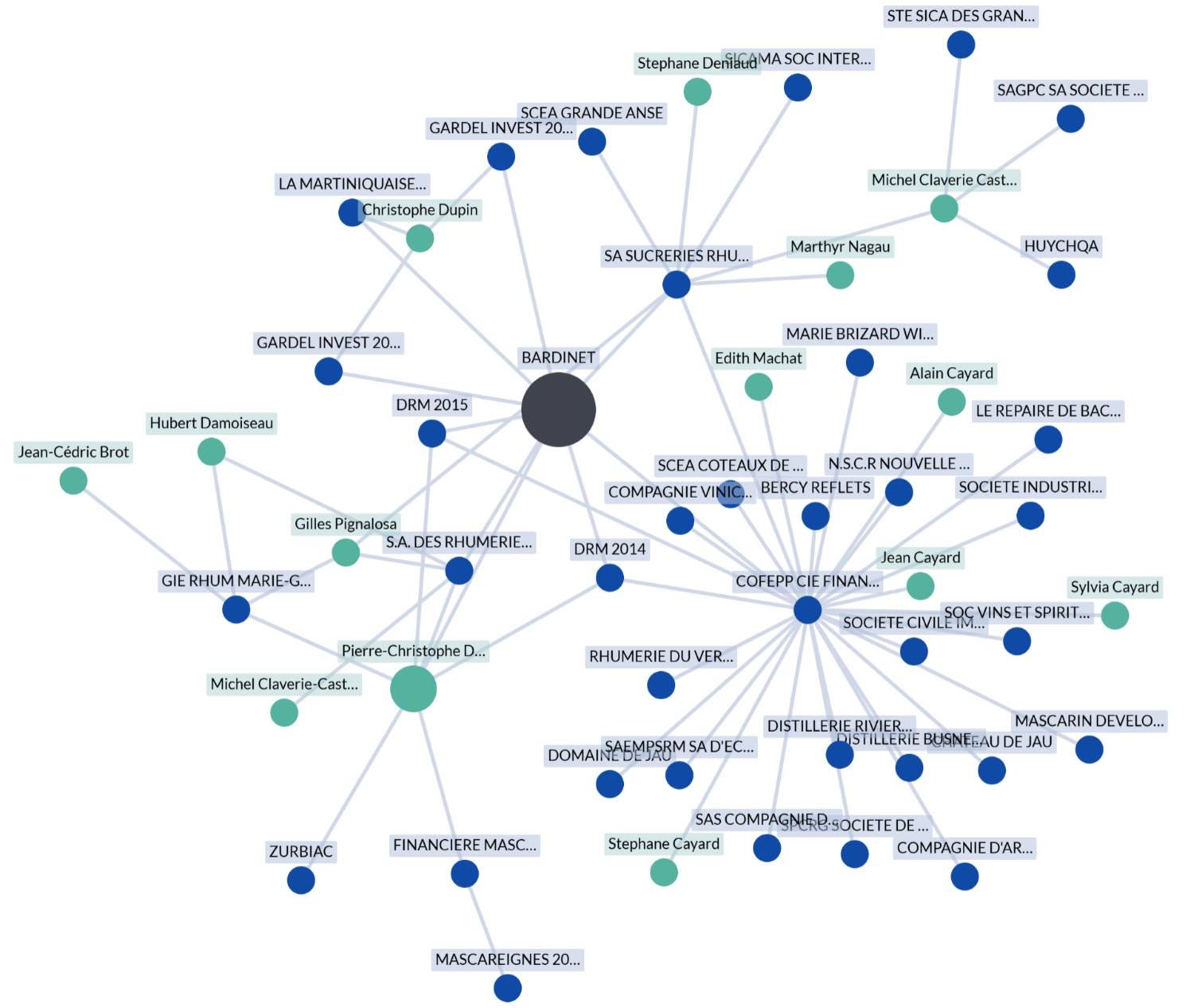
French billionaire Jean-Pierre Cayard is the owner of Compagnie Financière Européenne de Prises de Participation, a mouthful of a name mercifully abbreviated to COFEPP. Technically, it’s a holding company with two better-known child companies: Bardinet and La Martiniquaise. In the trade, Bardinet and La Martiniquaise are collectively known as La Martiniquaise-Bardinet.
Size-wise, COFEPP is France’s third-largest alcohol beverage company, smaller than Pernod Ricard and LVMH, but bigger than Rémy Cointreau. If we limit the scope to only spirits, COFEPP is arguably France’s 2nd largest spirit company. And while COFEPP is France’s largest rum company, it also brings in healthy revenues via a broad portfolio of wine and other spirits, with Cutty Sark among its better-known holdings. The company also has a majority ownership in Marie Brizard Wine and Spirits.
Connecting the dots between COFEPP and its many holdings, including Saint-James and Negrita, is a herculean task. Having spent several hours digging through corporate filings, I couldn’t find any clear rhyme or reason why certain COFEPP rum assets are under Bardinet and others under La Martiniquaise. In what follows, I’ve simplified a few esoteric details to avoid bogging down the story.
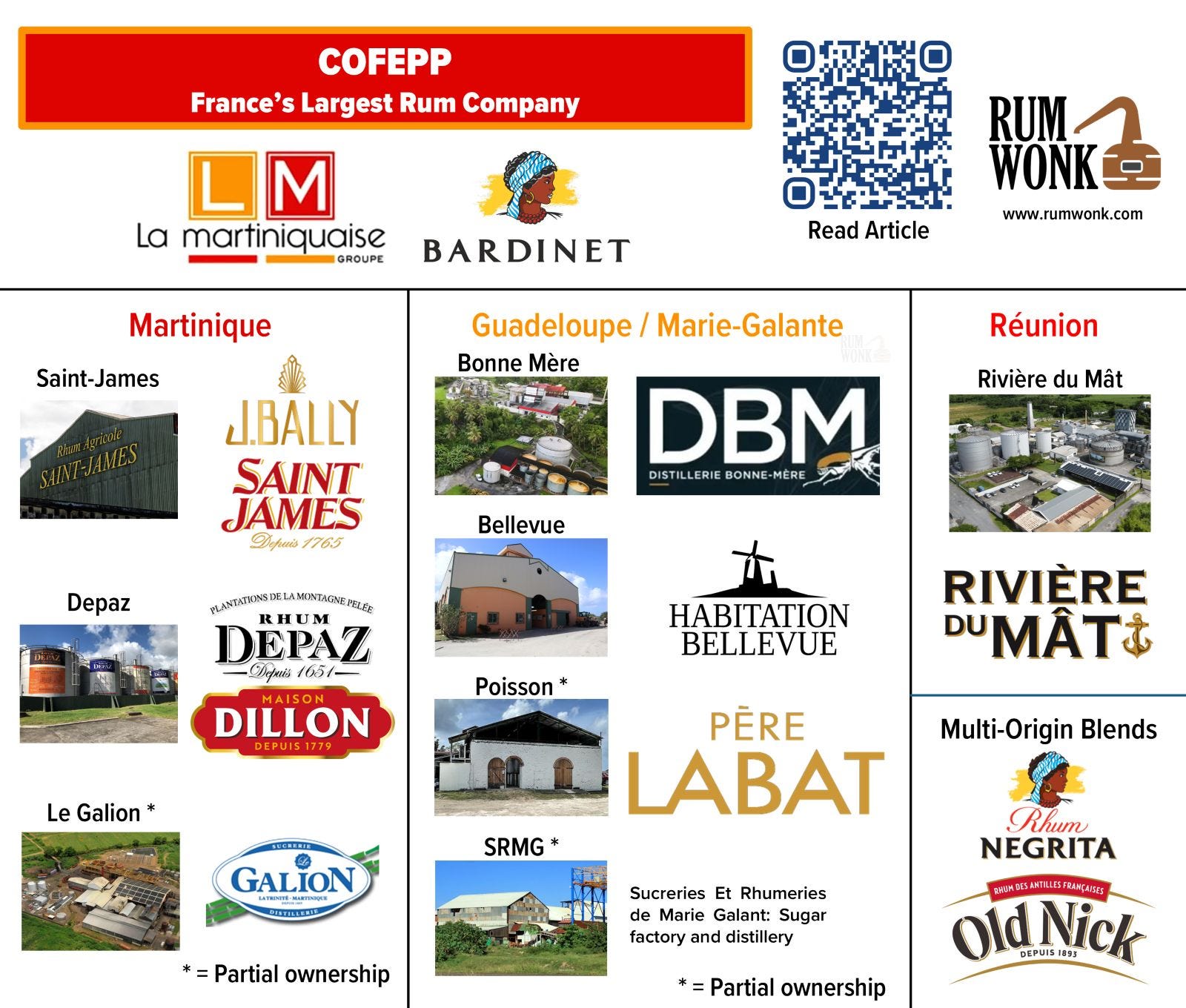
The infographic below provides a high-level overview of COFEPP’s rum holdings. For further details, read on.
Breaking it Down
Collectively, COFEPP owns five rum distilleries and partially owns three more.
On Martinique:
Saint-James (Saint-James, Bally brands)
Depaz (Depaz, Dillon brands)
Le Galion (partial ownership)
On Guadeloupe / Marie-Galante:
Bellevue Marie-Galante (Bellevue brand)
Bonne Mère (Rhum DBM brand)
Poisson (partial ownership)
Sucreries Et Rhumeries de Marie-Galante (partial ownership)
On Réunion:
Rivière du Mât (Rivière du Mât brand)
Of these eight distilleries, seven are among France’s biggest rum distilleries. Based on the quota data described below, COFEPP owns the biggest distilleries in Martinique, Guadeloupe, and Réunion.
Beyond the distillery-associated brands above, COFEPP’s value brands are Negrita and Old Nick, both of which are readily available in French grocery stores. Given COFEPP’s significant production capacity in both the Caribbean and Indian Ocean (Réunion), you might ask who makes Negrita and Old Nick.
Negrita’s label says Îles Françaises du Rhum, which isn’t one of the phrases legally protected by France’s seven rum GIs. Basically, the label is saying “French island rum.” Negrita’s brand page helpfully notes — in French: Guadeloupe, Martinique and Réunion Island – molasses rums or agricultural rums, old or young.
Old Nick is a different story; its label states Rhum des Antilles françaises. This is an GI-protected phrase and is restricted to molasses or cane juice rum from Martinique or Guadeloupe. (More info on this GI here.)
Quotas, Rhum Agricole, and Rhum Traditionnel
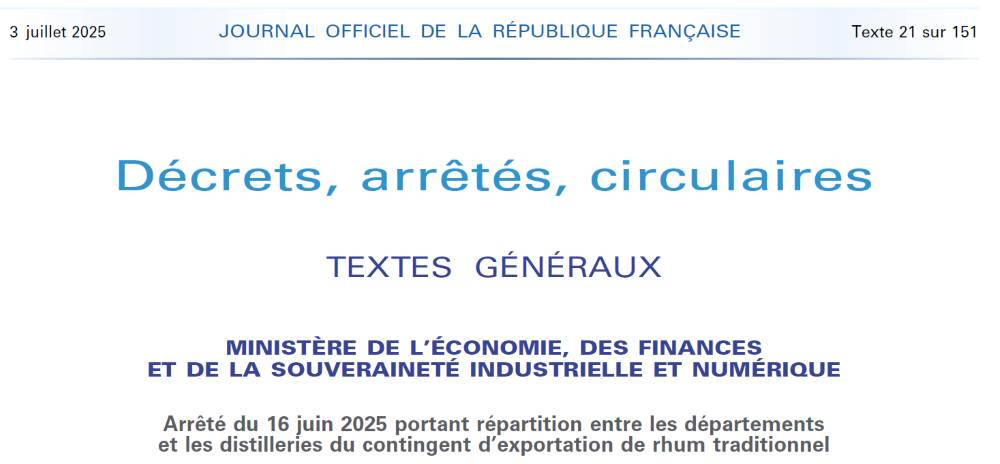
To further illustrate how big COFEPP is within the French rum ecosystem, we can look at the production quota amounts assigned to each distillery. A single national quota, currently 153,000 hectoliters of pure alcohol per year, is distributed across the four overseas departments (e.g., Martinique) and then suballocated to individual distilleries, somewhat proportionally to their production capacity. It’s an imperfect system, but it offers the most data we have to compare distillery output. To obtain the numbers below, I put information from the most recent quota legislation (July 3rd 2025) into a spreadsheet and got to work.
Before we get to the stats, a refresher: per French GIs, rhum agricole is made from cane juice, while rhum traditionnel is made from molasses.
Here are three key stats that highlight just how big COFEPP is in French rum:
Collectively, COFEPP-owned or partially owned distilleries make up 63% of France’s 153,000 hectoliter rum quota.
COFEPP distilleries have 84% of France’s quota for rhum traditionnel production. Guadeloupe’s Bonne Mère is the biggest, and Rivière du Mât in Réunion isn’t far behind. The remaining rhum traditionnel quota (16%) is held by Isautier and Savanna on Réunion. (Both also make rhum agricole.)
For Martinique rhum agricole production, Saint-James and Depaz hold the first- and third-largest quotas. Combined, they have 43% of Martinique’s agricole quota. (Note: what we think of as the Depaz distillery is referred to as Dillon in the quota legislation.)
As an aside, many enthusiasts think cane juice is synonymous with French rum. The quotas show otherwise: 51% of the quota goes to rhum agricole, and 49% goes to rhum traditionnel. However, rhum agricole gets more attention from enthusiasts, primarily for its high-end bottlings. In contrast, rhum traditionnel has mostly been the domain of budget rums. This seems to be changing with Rhum DBM.

While there are many more details I could add here, I think you get the point about COFEPP’s huge position in the French rum market. However, COFEPP / La Martiniquaise-Bardinet isn’t France’s only rum maker with multiple distilleries in multiple regions. I’ll say more about this in a future post.

looks fantastic, going to read it immediately! Thx Matt