


As an American of a certain age, my history classes in school overwhelmingly focused on American history starting in 1620 with the Pilgrims’ arrival at Plymouth Rock. The rock itself is a tourist destination often joked about by those who’ve made the trek to see it. Let’s say it’s … underwhelming.
Inexplicably, I can’t recall ever wondering why “Plymouth” was bestowed on this rock and surrounding region. If asked, I probably could have guessed. Nonetheless, this thought didn’t enter my mind during my 3-hour train ride to Plymouth, the English seaside city in the far southwest of the UK. Instead, my thoughts were about meeting a gentleman named Arthur Roberts. Sixty years after his six-month stint at a navy supply depot in the 1960s, his handwritten notes had become my personal holy grail — rum-wise, that is.
Plymouth’s train station is surprisingly small, and I quickly spotted Arthur and his son, Neil. Arthur’s voice was just as I remembered it from our phone conversations several years prior. The three of us hopped into Arthur’s car, Arthur and I chattering away in the backseat, for the short drive through the town to the former Royal William Victualling Yard.
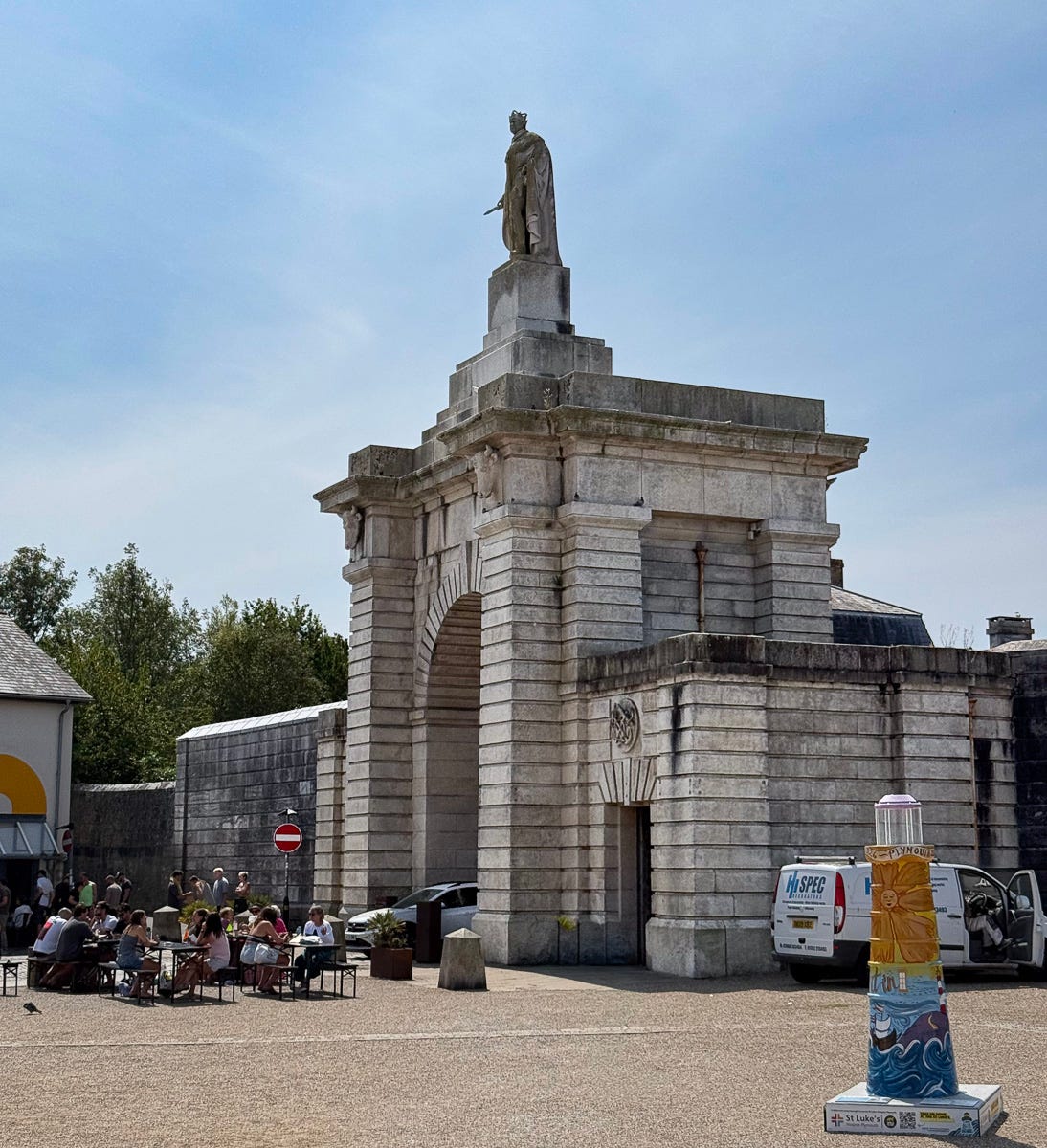
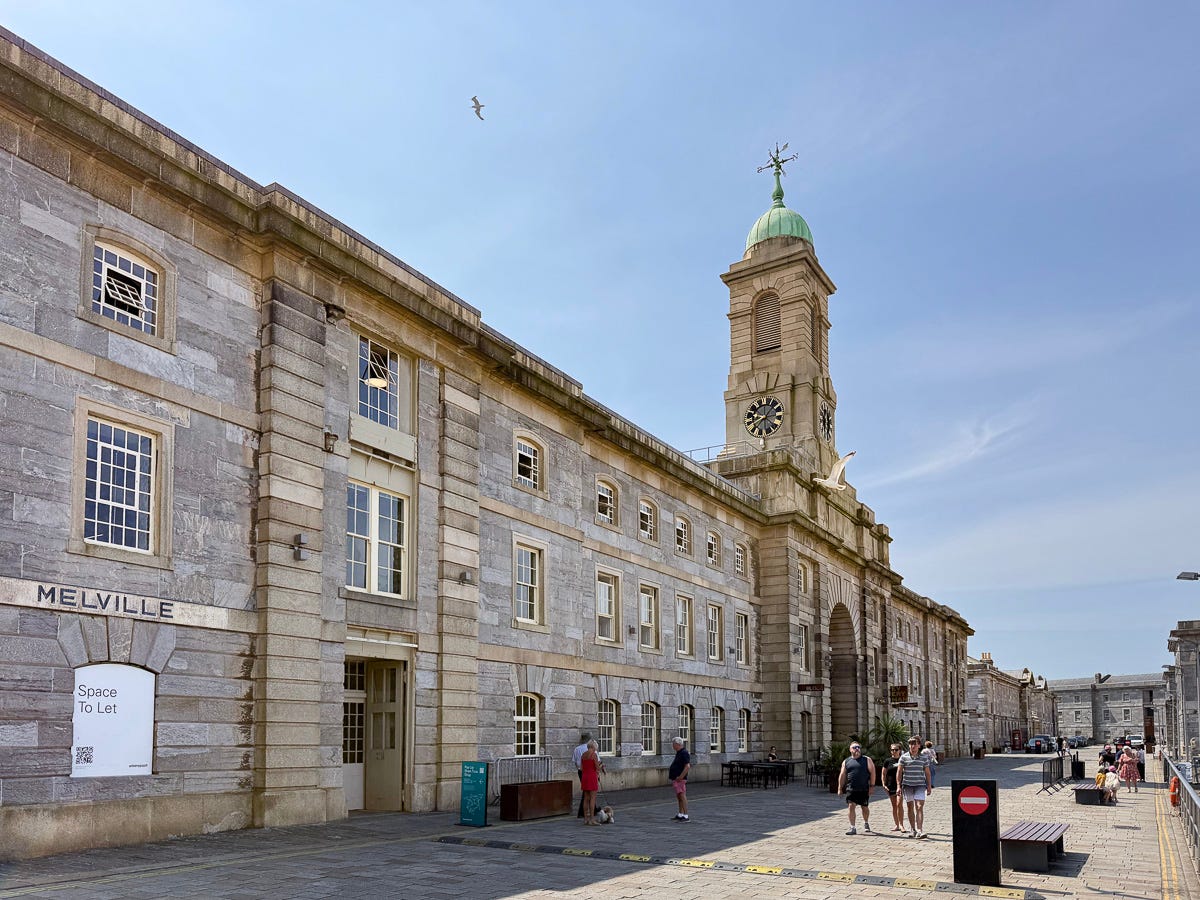
The yard’s massive stone buildings are neatly arranged in a grid. Between 1826 and 1992 they supplied Royal Navy ships with all provisions required at sea, including rum. Similar victualling yards in Portsmouth and Deptford (London) also helped with this massive logistical undertaking. In the decades since 1992, the yard’s enormous buildings have been repurposed as office spaces, restaurants, and apartments, many with stunning views of Plymouth’s Harbor.
Now nearly 90, Arthur worked at this yard in a civilian role during the early 1960s as a storehouseman. Many trades worked at the yard, including butchers and bakers, grain millers and brewers. When a navy ship prepared to set sail it sent an order for consumables needed at sea to the nearby yard. For operational efficiency and backup duties, Arthur and other storehousemen rotated through and learned how to man multiple different stations, including rum blending.


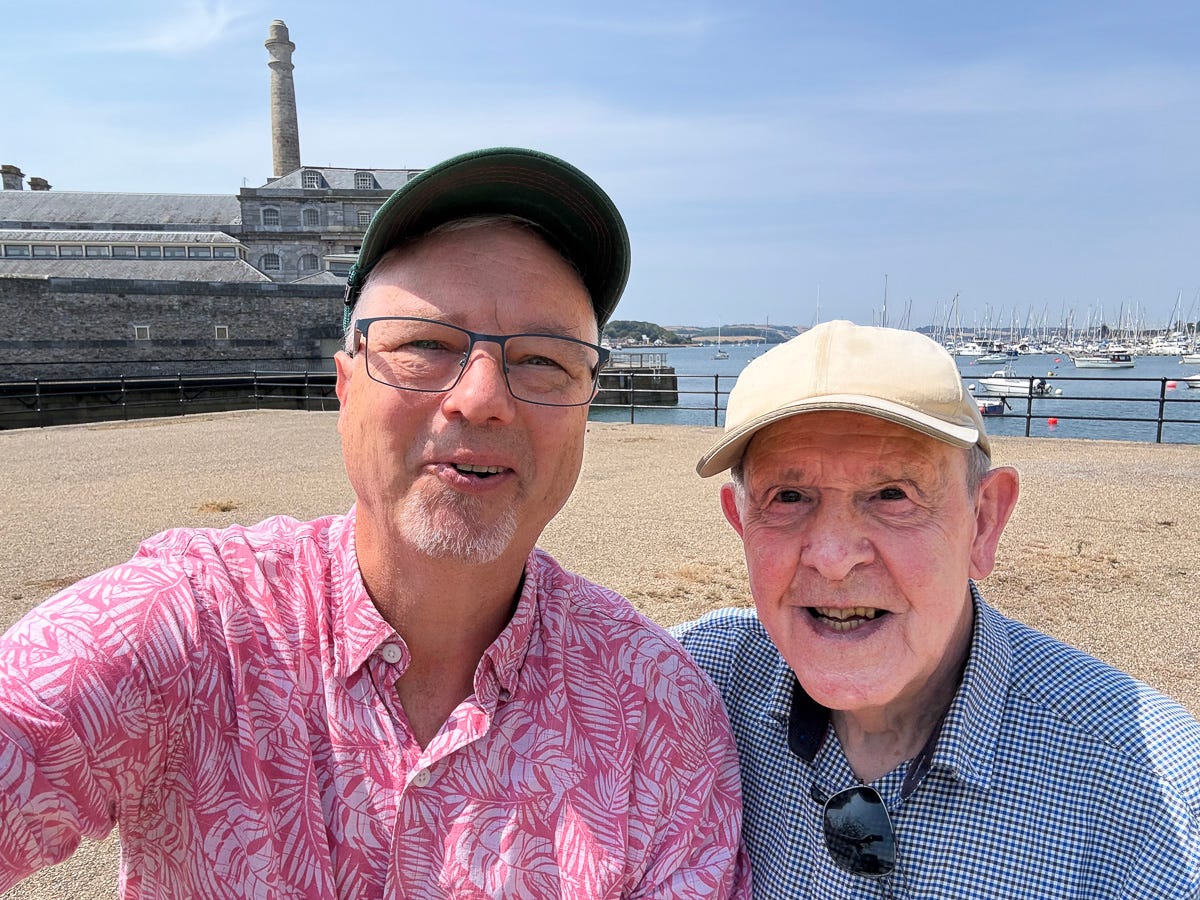
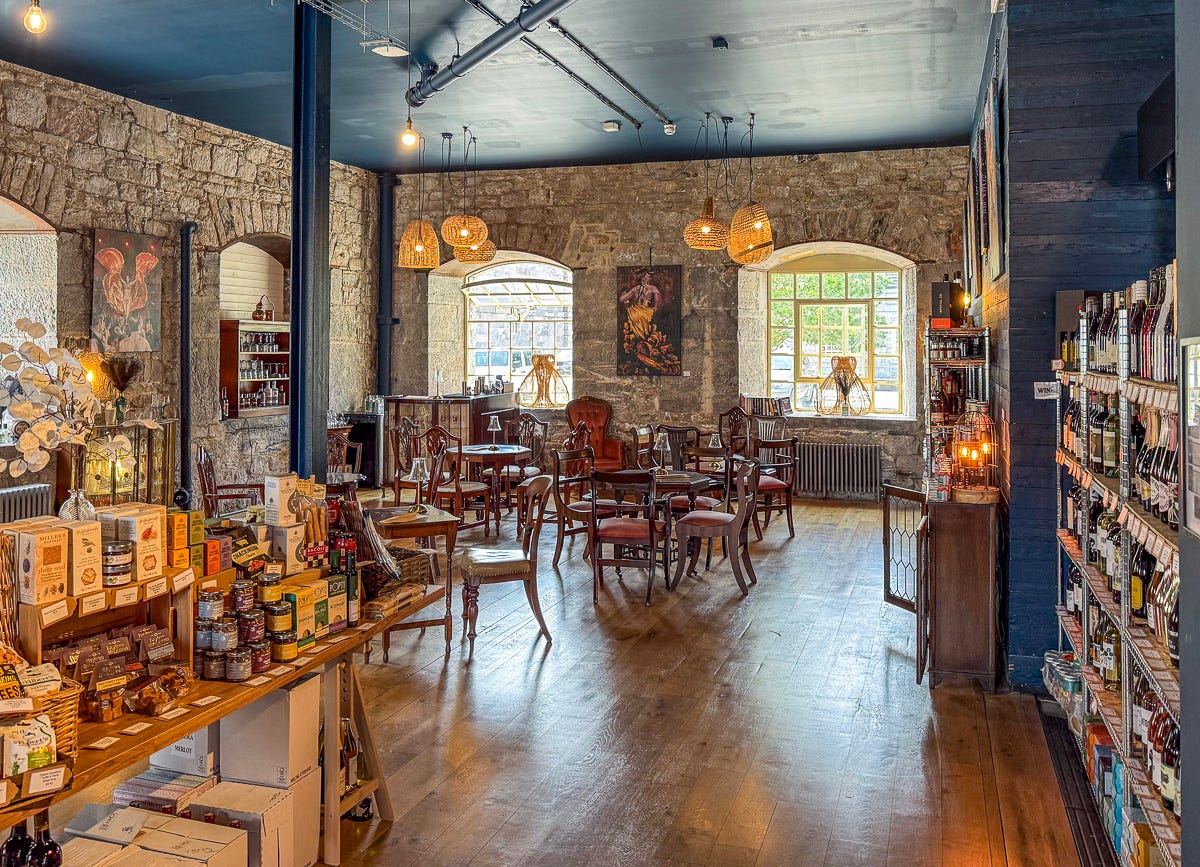
Early in his time at Royal William Yard, Arthur’s tasks included taking various operational sundries to each station, so he saw everything going on at the yard. When Arthur and I strolled through the yard after our dockside lunch, he pointed out each building and what tasks were performed there. As I’d hoped, Arthur recalled exactly where the rum was blended and that two vats were used. We snapped an obligatory photo in front of the building and poked our heads in to see where the vats were. The vats are long gone, and it’s a retail space now.
However, Arthur didn’t blend rum at this yard. By the time he rotated into that role, rum blending operations had moved to a satellite facility at Wrangaton, about 20 km east. Circa 1963 at Wrangaton, he handwrote instructions on yellow sheets of paper for making a 2000-gallon batch of rum, including exactly how many casks of each type of rum (Demerara Pot Still, Demerara Column Still, Trinidad, Barbados), along with gallon-unit calculations of lesser component rum (Australia and Natal).
Decades later, Arthur left a comment on one of my blog posts, which led to a phone call. In it, he mentioned in passing that he still had these notes. Time stood still for a moment as I processed what he said. For years, stories about Royal Navy rum had noted (somewhat incorrectly) that it was a blend of Jamaica, Guyana, Trinidad, and Barbados rums. But an exact recipe was nowhere to be found; there was no accounting of exactly which rums and how much of each. Having searched intensely but fruitlessly for several years, I’d accepted that a recorded exact recipe might no longer exist anywhere. Our call rekindled my hope.
You might think that a 1963 recipe for a single batch of Royal Navy rum is only mildly interesting. Indeed, the recipe changed many times over the 170 years that the navy blended rum. But a good historian isn’t satisfied with summaries and second-hand accounts. We impulsively pull any loose thread we see while looking for first-person accounts. Such accounts are the bedrock of the narrative we create for modern readers, and Arthur’s handwritten notes are part of the bedrock of Royal Navy rum history.
With the victualling yard tour complete, we had a few hours remaining before my train back to London. As a lifelong trail walker, Arthur is remarkably spry, even at 89, so we walked along Plymouth’s hilly but oh-so-scenic coastline while I struggled to keep up. When the time for my departure drew nearer, we made a final stop at the Mayflower Steps, which celebrate the approximate location where the Pilgrims set sail for North America in 1620. Circle completed!
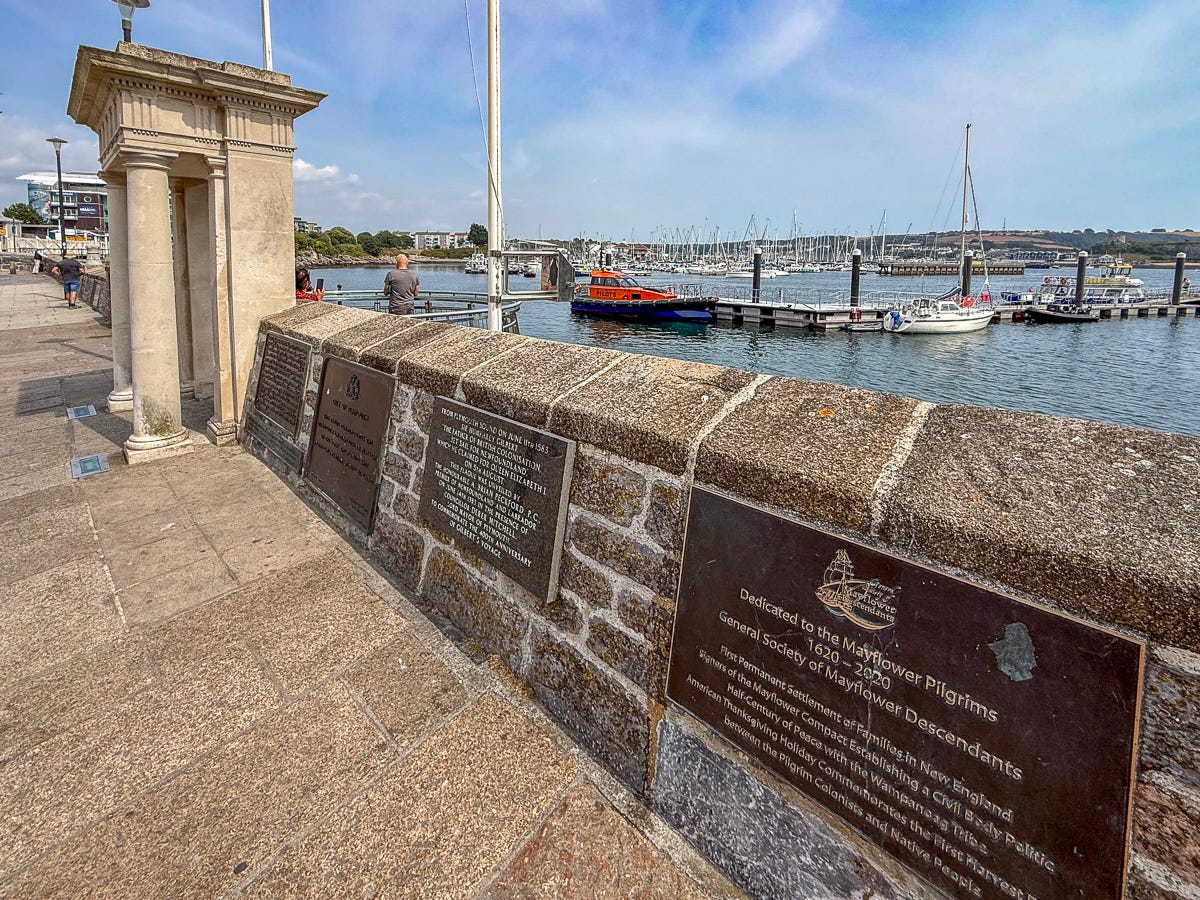
As a historian, I mostly work with just words on paper, most written hundreds of years ago. History becomes much more real when we can meet the people who lived it and hear their stories firsthand. Michael Fogg, whose legacy is memorialized by Mister Fogg Navy Rum, is one such person. Arthur Roberts is another, and I’m grateful that I finally met him, especially in the victualling yard he worked at over half a century ago.
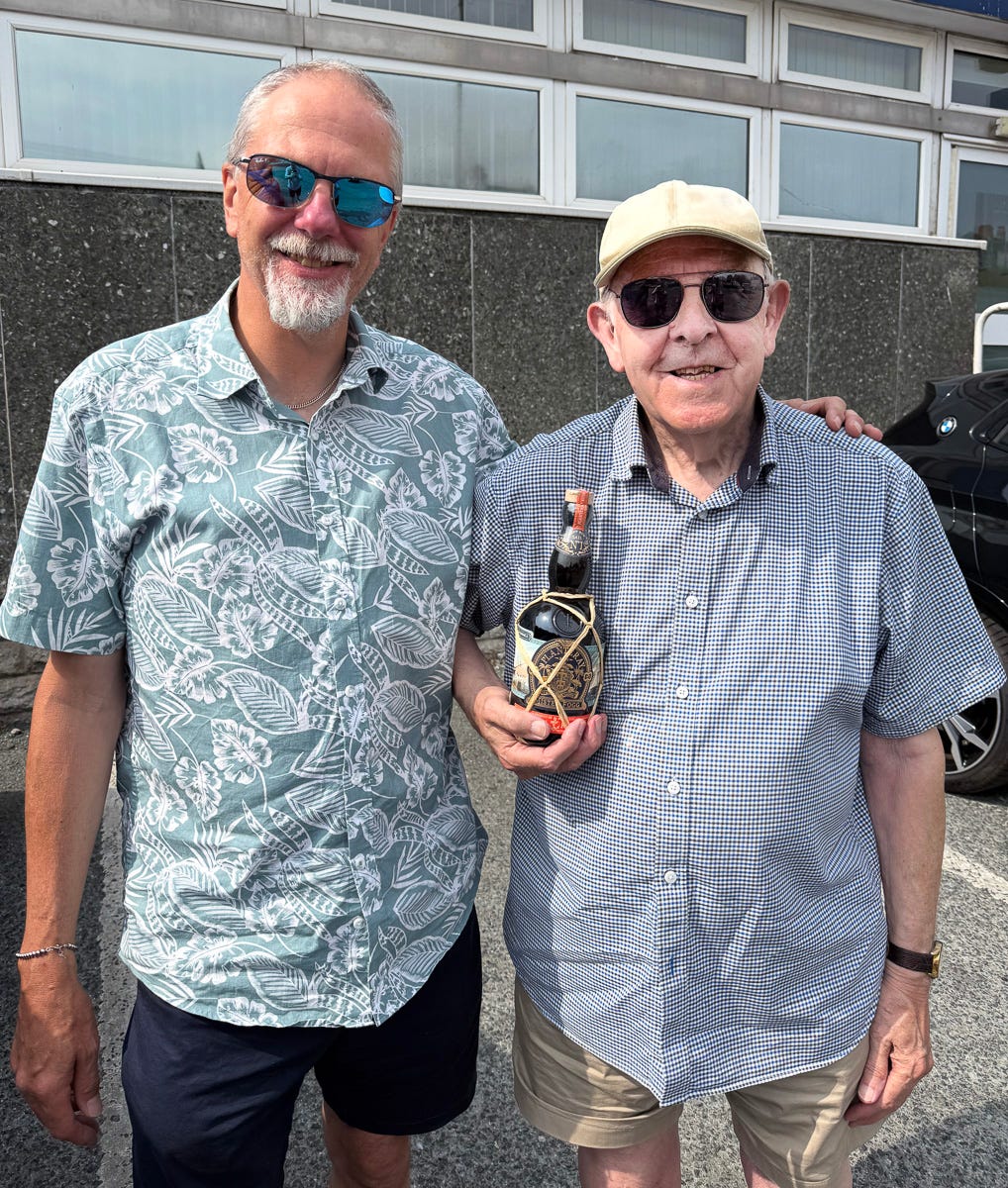
To learn more about Arthur Roberts and the 1963 Royal Navy rum recipe, chapter 7 of The Rum Never Sets contains an interview with him and most of his handwritten records.

Yes, a lovely story in multiple levels. And coincidentally, today I am making punch with Mister Fogg for a friend’s birthday!
This is fantastic, the good work of making sure we get the knowledge and perspectives of those involved with history.
It does make me question some things though, specifically regarding The Black Tot: The Last Consignment. The label states there’s some Jamaican rum in there but it appears there wasn’t? Was that claim just conjecture until Roberts shared his notes?