


Parts one and two of this series have focused on yeast-centric fermentation. Part one covered yeast mechanics, congeners, and differences between the cerevisiae and pombe yeast species. Part two covered stressing pombe in a high-acid fermentation environment, along with dunder and cane acid.


In part 3, below, we’ll investigate a different type of fermentation — bacterial(!) that creates more complex acids and esters emblematic of high-congener rums.
Baby Got Bac(teria)
Like yeast, bacteria are live microorganisms that consume sugar and other organic compounds in a rum mash and produce congeners. If both are present in a fermentation, the yeast and bacteria compete for the available food supply, including the sugar.
Just as different yeast species emit different types and ratios of congeners, there are many species of bacteria. In part 2, I mentioned Acetobacter aceti, which consumes ethanol molecules and emits acetic acid. Other bacterial species, such as Clostridium and Bacillus, can produce congeners that are much more noxious than acetic acid.
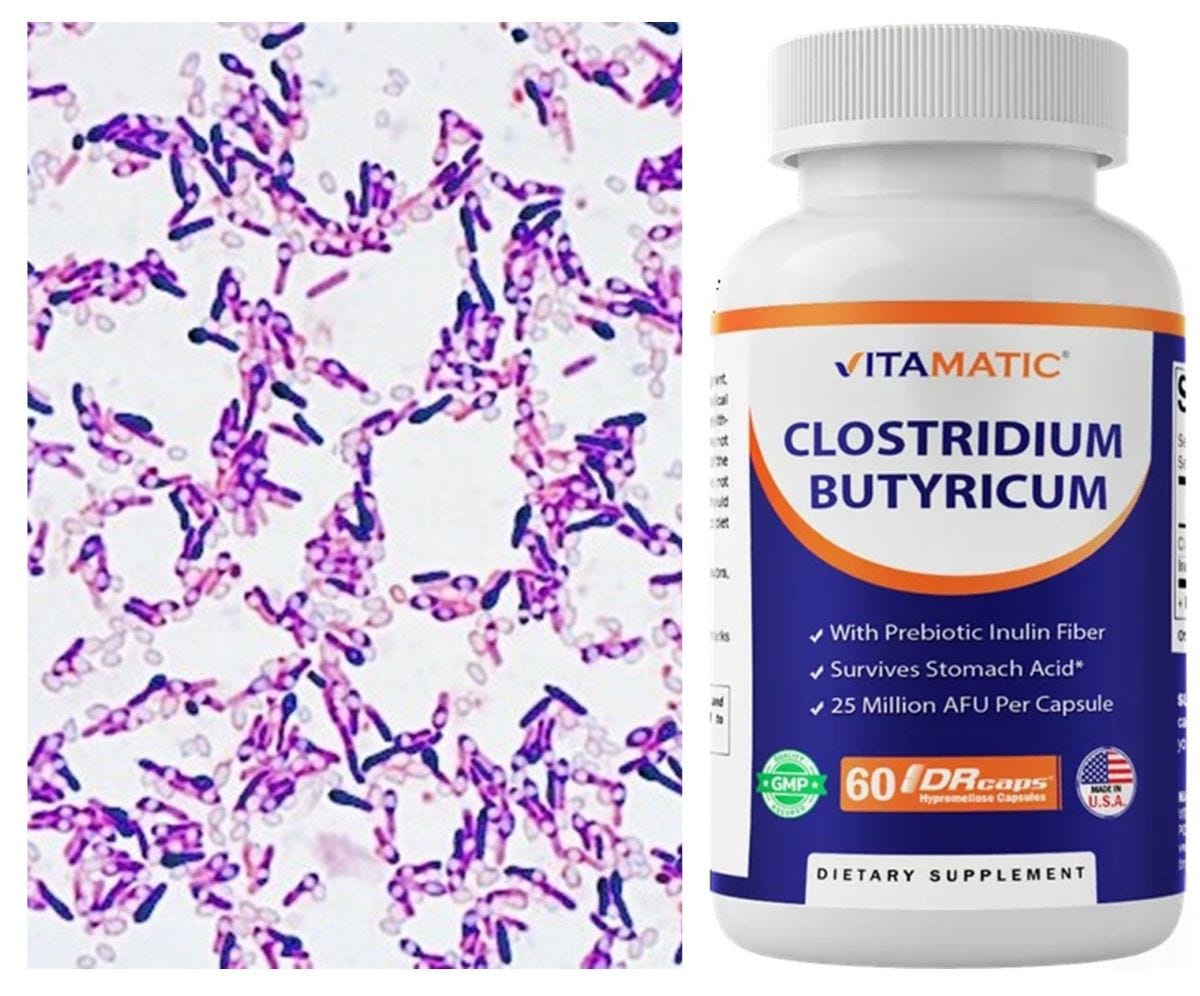
In very general terms, yeast consumes sugar and produces congeners, skewed towards alcohol, particularly ethanol. In contrast, when bacteria consume sugar, the congeners they emit skew towards acids. Not just acetic acid, but also more complex chain acids like propionic, butyric, valeric, and caproic acid. Butyric acid smells of vomit and rancid butter; caproic brings notes of goat and sweaty gym socks. Lovely stuff, right?
Most large-scale rum producers take preventive measures to prevent bacteria from participating in fermentation. The congeners (especially the acids) that bacteria create aren’t desirable in these types of rum, and the ethanol yield also suffers. Closed-tank fermentation, stringent tank cleaning after each fermentation, and pasteurizing the molasses before adding yeast are all ways to keep bacteria in check.
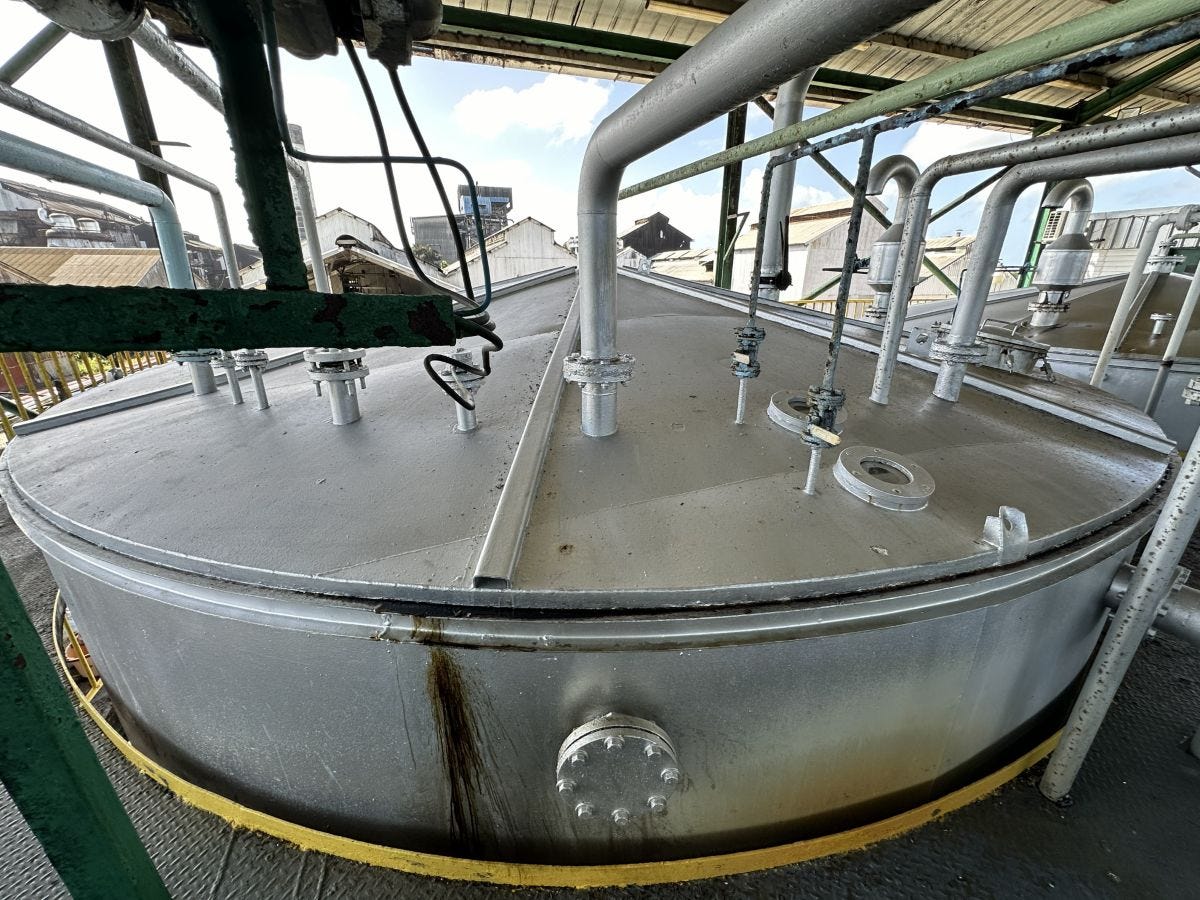
However, some rum makers actively encourage the coexistence of bacteria and yeast during fermentation. At a minimum, a long-running, open tank fermentation will likely experience some bacterial activity along the way. But there are also ways to foster bacterial activity beyond leaving things to chance.
The majority, if not all, of Jamaica’s rum distilleries intentionally allow bacteria in certain fermentations. In particular, those destined for heavy, pot-distilled marks. Outside Jamaica, some of the better-known distilleries that use bacterial fermentation for certain rums are River Antoine (Grenada), Le Galion (Martinique), and West Indies Rum Distillery in Barbados. A future article will cover one of these in more detail.
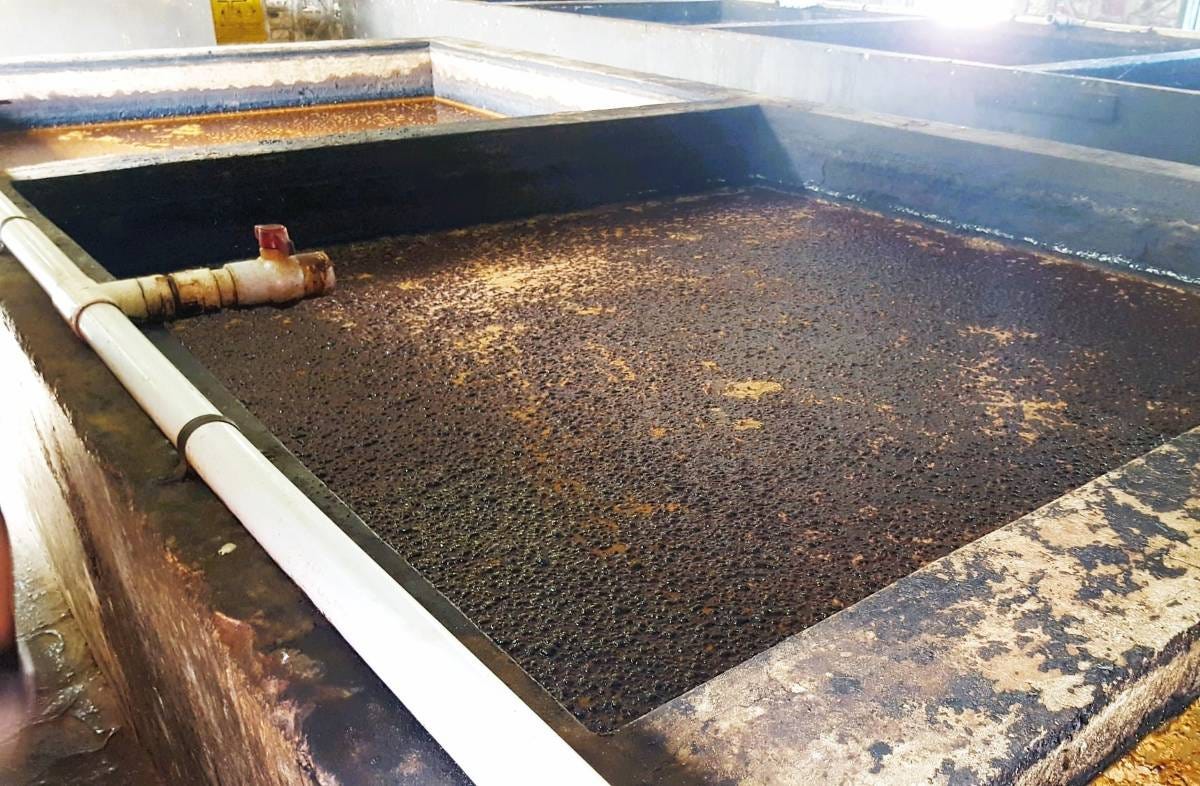
For distillers curious about concurrent yeast and bacterial fermentation, check out Brett Steigerwaldt’s article in Distiller magazine: Distilling Research Grant Report: Bacteria in Rum Fermentations | Distiller Magazine. If you have deep questions about bacterial fermentation, Brett is a far better person to ask than me. I’m no organic chemist—physics is more my speed, and that was back in my college days.
Having introduced the concept of concurrent yeast and bacterial fermentations, let’s now examine an even more unusual trick that several Jamaican distilleries have up their sleeve.
What the Muck?
You may recall from previous parts of this series that the primary way to create more complex esters—the sort not found in normal rum fermentations—is to produce more complex alcohol and acid molecules. These acids and alcohols can then combine into longer-chain esters. Generally speaking, pombe yeast (see part 2) creates higher (“fusel”) alcohols, while bacteria like Clostridium excel at creating longer-chain acids.
While longer chain acid and alcohol creation can occur in the same fermentation, they don’t necessarily need to.
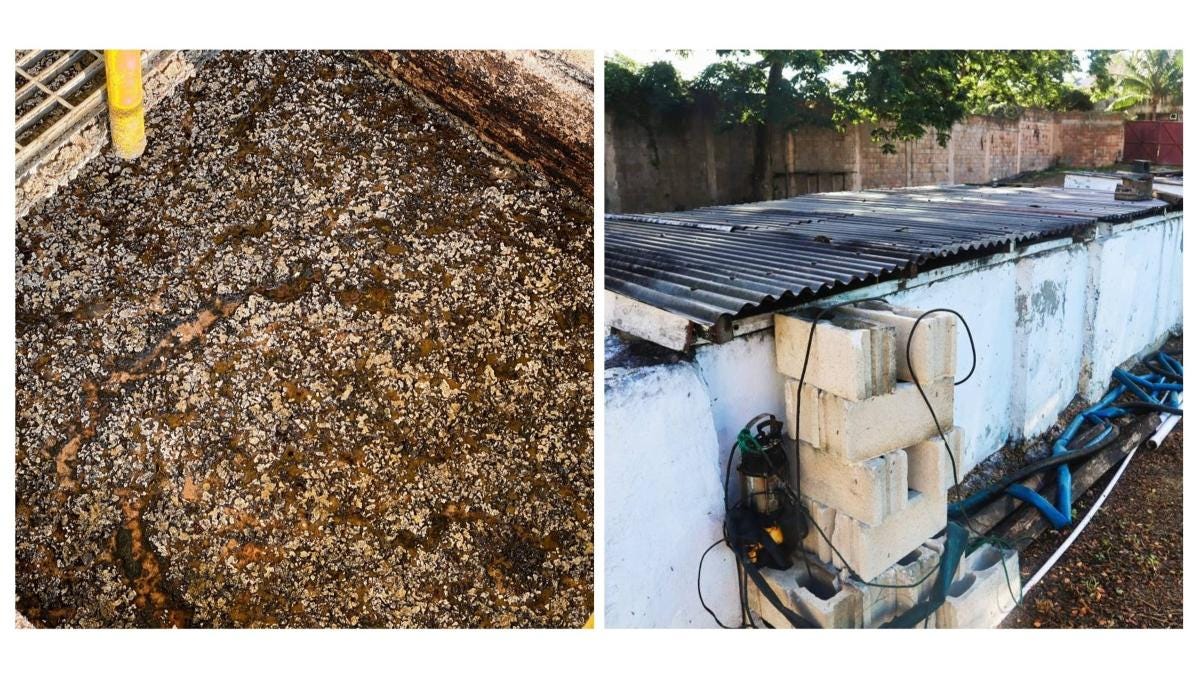
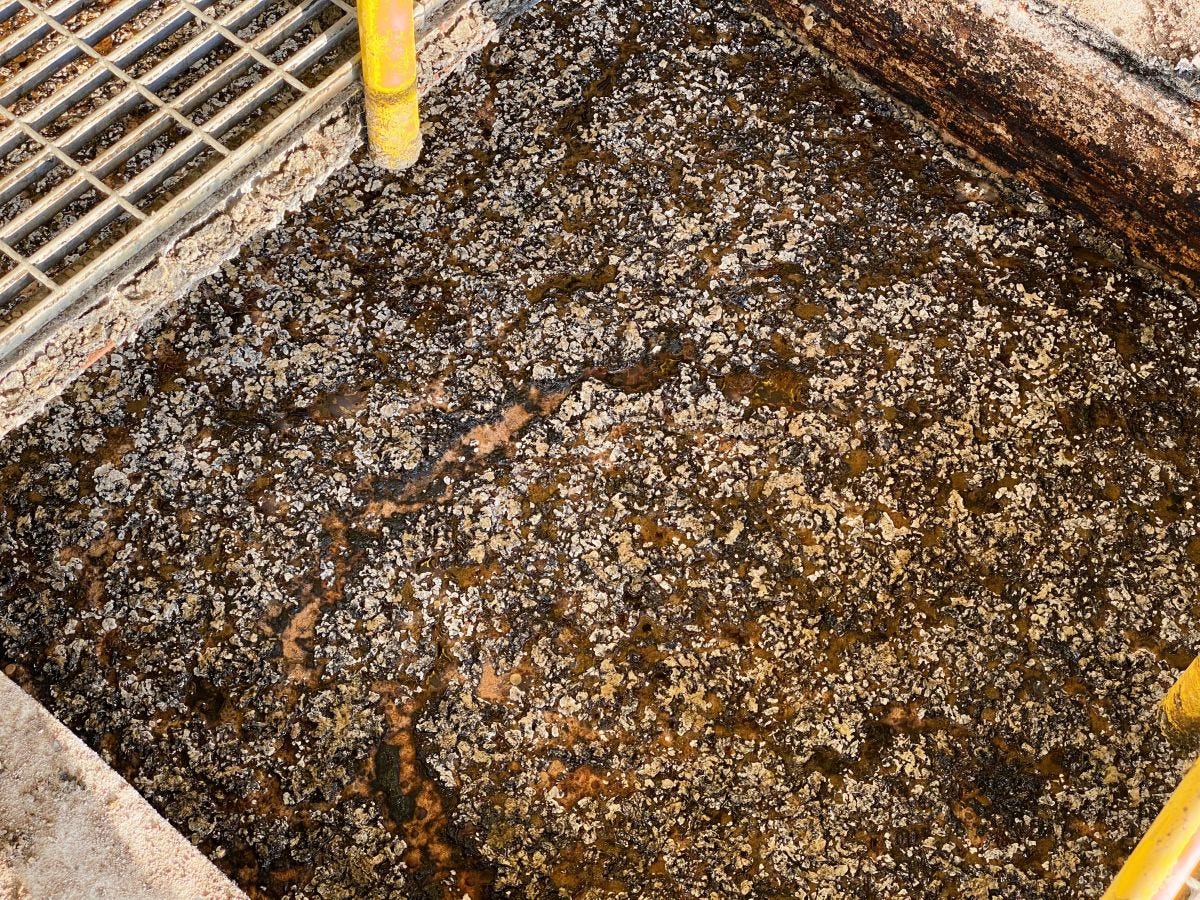
Picture this: two fermentations running in parallel — one yeast-based, the other bacterial. While yeast does its work, a colony of bacteria is fed and maintained for years on end. A bacterial “sourdough starter” from hell, so to speak. This colony lives in a pit, consuming sugar, dead yeast cells, and other organic matter in a thick, putrefying slurry.
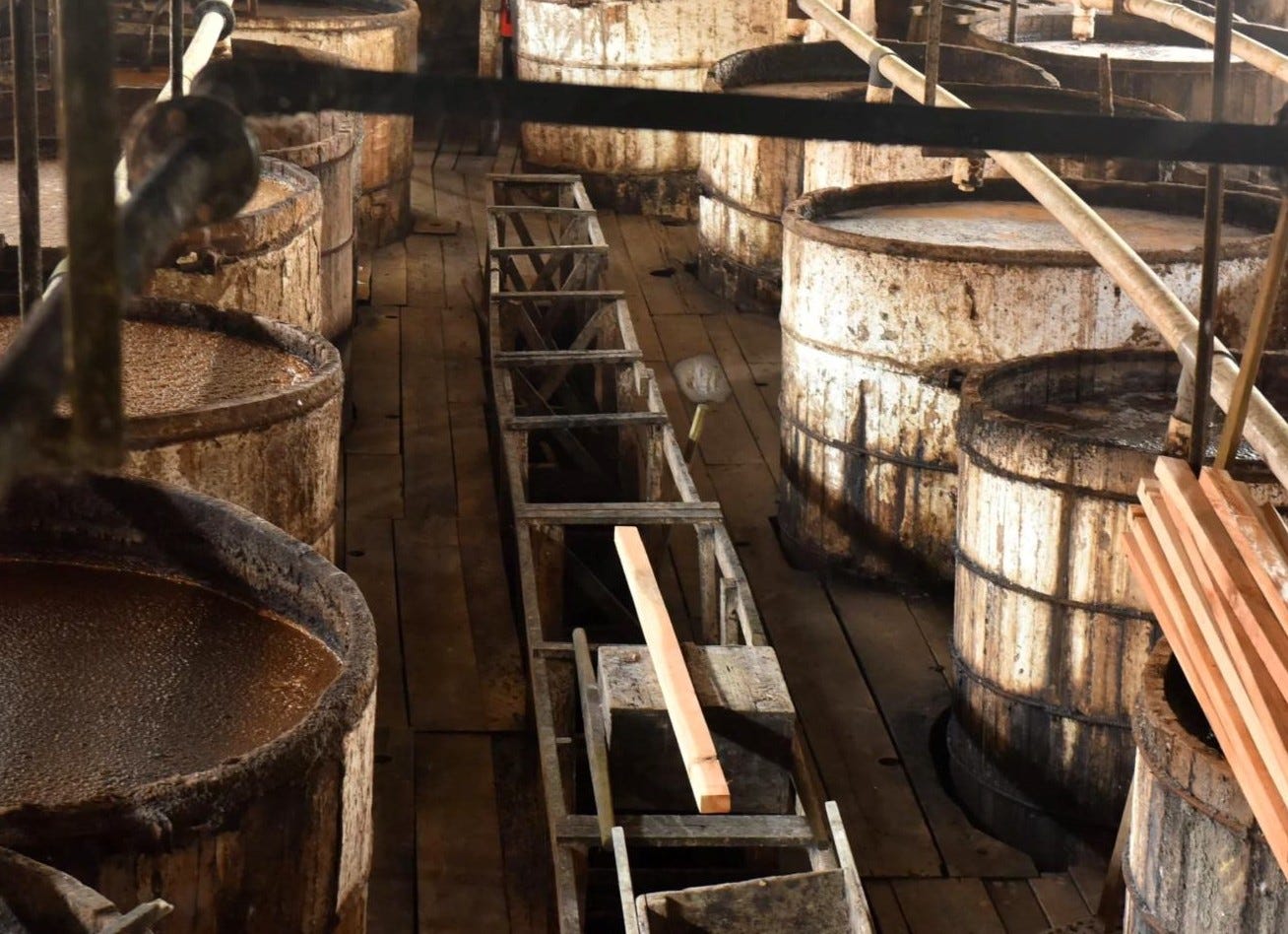
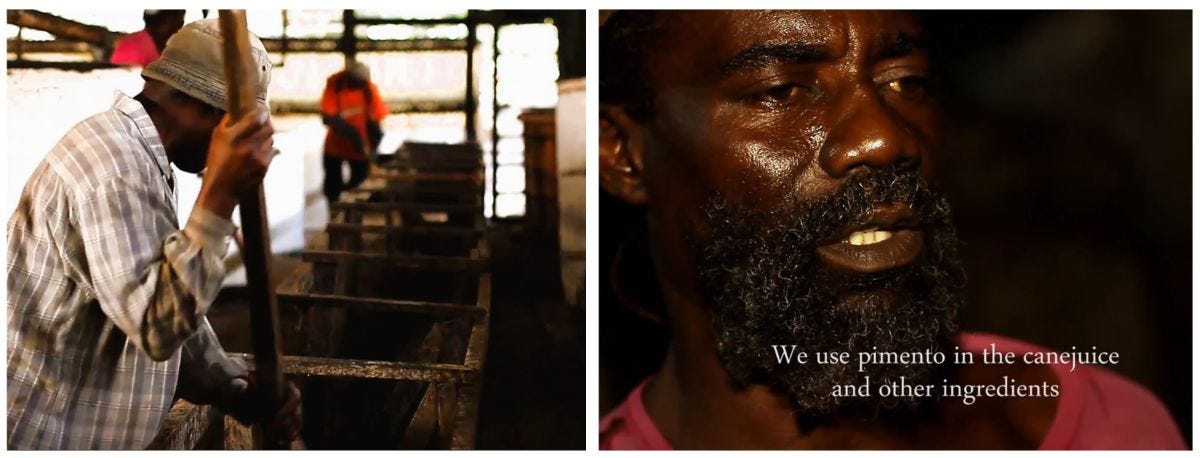
The stratospheric bacterial levels in the pit create a huge reservoir of more complex acids, including the horrifyingly pungent propionic, butyric, valeric, and caproic acids noted earlier. Meanwhile, yeast strains living within the pit also produce alcohol molecules that combine with these acids to form esters. Not the oh-so-basic ethyl acetate, but more complex esters that are rarely found in traditional yeast fermentations. For reasons lost to time, the Jamaican distillers call this sludge “muck”, and it lives within a “muck pit”.
How is muck used? To answer this, we must return to the yeast-based fermentation. After fermentation ends, it could be distilled. But rather than distilling it immediately, a healthy slug of ester-rich muck is added to completed yeast fermentation. Adding muck introduces previously-formed esters (from the muck pit) that a normal fermentation creates very little of.
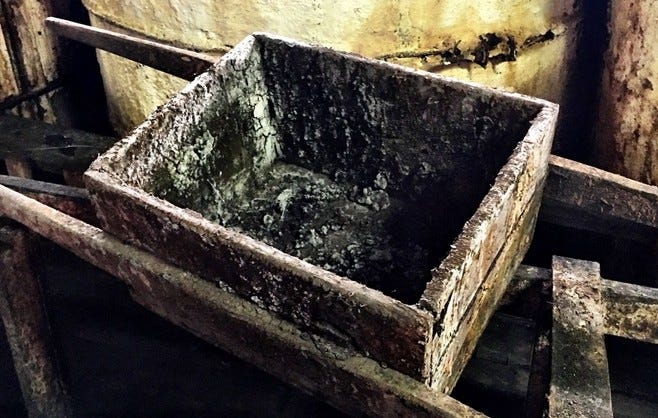
Only afterward is this composite wash distilled. The resulting distillate naturally includes these more complex esters. Why isn’t the muck initially added to the mash like dunder and cane acid are? Adding muck while the yeast is working would decrease alcohol yield.
Only a few Jamaican distilleries use muck, and only for certain marks they make. We’ll look at this later.
Making Muck
Naturally, you’re probably wondering about how to make muck. As you might imagine, the Jamaican distillers who work with muck are loath to describe in detail. Call it Jamaican rum’s ultimate trade secret.
Here’s what we do know. In 1905, H.H. Cousins, a research scientist in Jamaica, along with fermentation chemist Charles Allan, studied all aspects of Jamaican rum production from an organic chemistry perspective. Here’s Allan’s description of muck:
The components of the ‘ muck hole’ are the thicker portion of the dunder from the Still, the lees from the retorts and cane trash and other adventitious matter which from time to time finds its way into this receptacle.
Sadly, there is no further description of this adventitious matter. However, we do know that bacteria-rich soil, including Clostridium, is part of the equation. There is also evidence that jackfruit and other indigenous tropical fruits are part of the mix. (Cyril Weglarz, of DuRhum notes bananas, jackfruit and sapodilla.)
In a 2021 interview I recorded with Hampden Estates, the slides note:
The muck pit contains the thick matter deposited from the dunder and dead wash bottom, to which cane trash is added. Muck consists to a large extent of dead yeast so is full of nitrogen.
Note: dead-wash bottoms contain a large amount of dead yeast cells from fermentation. There is no evidence of goat heads, however. Given the above, would it matter if there were?
As an interesting modern-day aside, the 2024 Jamaica rum GI revisions added the following phrase to the fermentation section:
Locally grown bacterial & yeast cultures can be used in the production of Jamaica Rum.
The original 2016 had nothing like this. I’m told that the 2024 addition was made to explicitly allow muck, something that the 2016 GI, as written, appeared to exclude.
Who’s using Muck
Three Jamaican distilleries are known to use muck for some of their marks. Generally speaking, it’s only the highest ester “continental” marks.
To my knowledge, only Long Pond has confirmed which of their marks use muck:
LPS
STC♥E
TECA
TECB
TECC
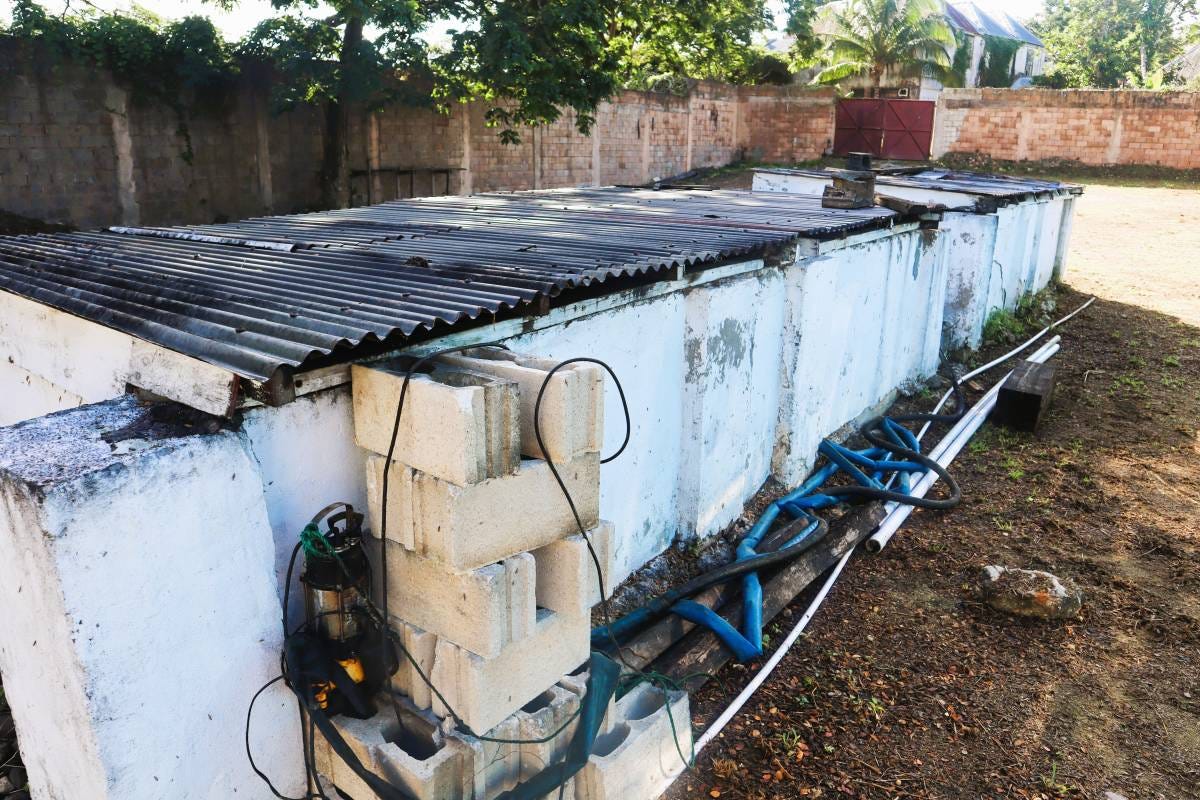
Hampden uses muck. The technical data sheet that comes with their unaged 8 Marks Collection notes these marks utilize muck:
LROK
HLCF
◆H
HGML
C ◆H
DOK
New Yarmouth also uses muck. My guess for their marks:
NYE/HM
NYE/RH
NYE/WM
NYE/WK
My Jamaican Rum Marques Roundup Page contains the most complete known list of marks for all six Jamaican distilleries.
What’s Next?
The first three parts of this series covered the pre-distillation aspects of high-congener marks. In part four, we’ll look at an unusual distillation trick that the Jamaicans have used for over a century. Distilleries outside Jamaica have also started using it. Stay tuned!

Great article Matt, really interesting reading for a chemical engineer passionate of high ester rums!
Great